
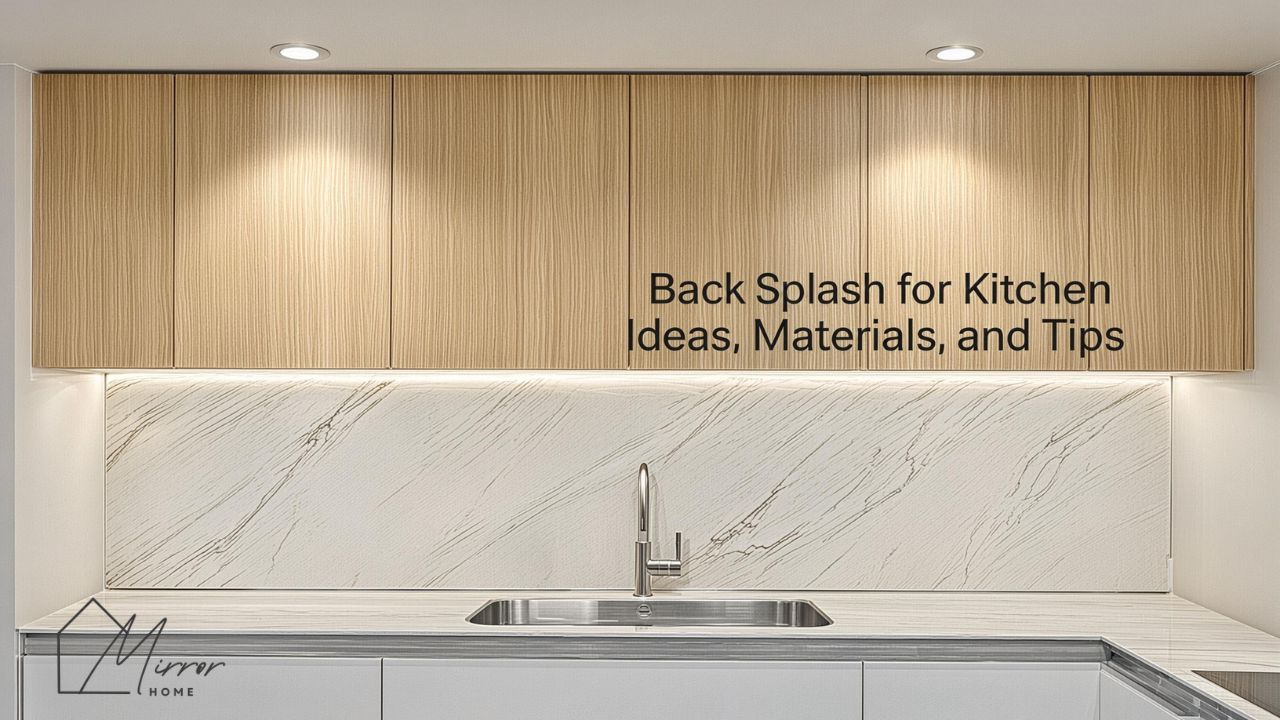
A kitchen can feel flat, messy, or strangely unfinished even when the cabinets and counters look great. Very often, the missing piece is the back splash for kitchen design. It is one of those details people overlook at first, then wonder how they ever lived without once it is installed.
A good backsplash does more than make a kitchen look pretty. It protects the wall from water, oil, sauce splatters, steam, and daily wear. It also helps tie together your cabinets, countertops, lighting, and flooring so the whole room feels intentional instead of patched together.
In real homes, this matters more than people think. You may cook every day, wipe the counters ten times, and still notice stains building near the stove or sink. That is where the right backsplash earns its place. It is practical, visual, and surprisingly powerful.
What is a back splash for kitchen and why does it matter?
A backsplash is the wall surface area above your countertop, sink, or stove that is covered with a protective material. In simple terms, it is a shield for your wall. In design terms, it is one of the most expressive surfaces in the room.
When people talk about a back splash for kitchen, they are usually talking about tile, stone, quartz, glass, metal, or peel-and-stick panels added between the countertop and upper cabinets. Some homeowners keep it short and simple. Others extend it to the ceiling for a more dramatic finish.
That full-height look is becoming much more common. In Houzz’s 2025 U.S. Kitchen Trends Study, 67% of homeowners chose full backsplash coverage up to cabinets or the range hood, and more than three-quarters selected tile for their backsplash material.
There is also a resale angle. Kitchens remain one of the most watched spaces in a home, and the National Association of REALTORS® reported that homeowners recover about 75% of the cost of a kitchen overhaul at resale. A backsplash alone will not carry the whole return, of course, but it is part of the visual update buyers notice quickly.
Beyond looks and value, a backsplash supports cleanliness. The EPA notes that indoor humidity should ideally stay between 30% and 50% to help prevent mold growth, which matters in moisture-prone areas like kitchens. Easy-to-clean backsplash surfaces make that environment easier to manage.
The three jobs every backsplash should do
- Protect the wall from grease, moisture, food stains, and heat exposure
- Finish the design by connecting cabinets, counters, and appliances
- Reduce maintenance stress because a sealed, wipeable surface is easier to clean than painted drywall
Why homeowners regret skipping it
People sometimes delay installing a backsplash because it feels optional. Then the painted wall near the stove starts collecting yellow marks, tomato sauce stains, or water spots around the sink. That regret comes fast. A backsplash is one of the few kitchen features that is both decorative and deeply useful every single day.
Popular materials for back splash for kitchen designs
The best material depends on your budget, cooking habits, cleaning tolerance, and style preference. There is no single perfect answer, but there is usually a best-fit option for each kind of kitchen.
Ceramic tile
Ceramic tile is one of the most common choices because it is affordable, easy to find, and available in endless colors and sizes. It works in modern, classic, rustic, and even playful kitchens.
Best for: budget-conscious remodels, family kitchens, rental upgrades
Pros: affordable, easy to clean, many design options
Cons: grout can stain if not sealed well
Porcelain tile
Porcelain is similar to ceramic but denser and often a bit more durable. It is excellent for homeowners who want a crisp, polished look and better moisture resistance.
Best for: high-use kitchens, sleek modern spaces
Pros: durable, low porosity, elegant finish
Cons: can cost more than basic ceramic
Subway tile
Subway tile deserves its own mention because it never really goes away. It is simple, familiar, and surprisingly adaptable. White subway tile can look traditional with dark grout, soft and airy with matching grout, or modern in a stacked layout.
Best for: timeless kitchens, resale-friendly updates
Pros: classic, accessible, easy to style
Cons: can feel ordinary if the layout lacks personality
Natural stone
Marble, travertine, slate, and other stone surfaces add texture and richness. They can look stunning, but they need more care than standard tile.
Best for: luxury kitchens, warm organic interiors
Pros: unique veining, premium feel, natural character
Cons: sealing and maintenance are often required
Quartz slab or engineered stone
Slab backsplashes are gaining ground, especially in engineered quartz, because they look seamless and reduce grout lines. Recent design reporting from NAR also points to slab backsplashes as a growing preference.
Best for: modern kitchens, minimal design lovers
Pros: sleek, fewer lines, easy to wipe
Cons: higher upfront cost
Glass tile
Glass reflects light beautifully, which makes it attractive in smaller or darker kitchens. It can brighten a room fast.
Best for: compact kitchens, coastal or contemporary spaces
Pros: reflective, bright, visually light
Cons: fingerprints and smudges may show more
Metal backsplash
Stainless steel or metal-look panels work well in industrial or chef-inspired kitchens. They are practical near cooking zones and feel clean and professional.
Best for: modern industrial kitchens
Pros: heat-resistant, hygienic look, bold personality
Cons: scratches may show
Peel-and-stick backsplash
This is the low-commitment choice. It is not always as durable as tile or slab materials, but it can be great for renters, quick makeovers, or test projects.
Best for: apartments, temporary updates, low budgets
Pros: simple install, low cost, DIY-friendly
Cons: longevity varies a lot by product quality
Material comparison table
| Material | Look | Cost Level | Maintenance | Lifespan | Best Use |
|---|---|---|---|---|---|
| Ceramic tile | Versatile | Low | Moderate | Long | Everyday kitchens |
| Porcelain tile | Clean, refined | Low-Mid | Low | Long | Busy households |
| Subway tile | Classic | Low-Mid | Moderate | Long | Timeless updates |
| Natural stone | Rich, textured | High | Higher | Long | Luxury spaces |
| Quartz slab | Seamless | High | Low | Long | Modern designs |
| Glass tile | Bright, glossy | Mid | Moderate | Long | Small kitchens |
| Metal | Industrial | Mid-High | Low | Long | Cooking-heavy kitchens |
| Peel-and-stick | Quick makeover | Low | Low-Mid | Short-Mid | Rentals or budget refresh |
How to choose the right color, texture, and pattern
A beautiful backsplash is not just about the material. It is about how the color, texture, and pattern interact with everything else in the room.
Match the room, not just the trend
Trends are fun, but your kitchen has to live with your choices every day. Before buying samples, stand in the room and look at:
- cabinet color
- countertop pattern
- flooring tone
- hardware finish
- natural and artificial light
A glossy white tile may look perfect online and feel harsh in a kitchen with cool lighting. A dramatic veined stone may look elegant in a showroom and completely fight with a busy granite countertop at home.
Decide whether the backsplash is the star or the support
This is a useful design question.
If your cabinets and counters are simple, your backsplash can do more. You can choose color, handmade texture, bold shapes, or visible veining.
If your countertop already has strong movement or your cabinets are deep green, navy, or wood-heavy, the backsplash may need to quiet things down.
That tension matters. The best kitchens have balance, not competition.
Use contrast carefully
Contrast is not just black against white. It can be matte against glossy, smooth against textured, warm beige against cool gray, or tiny tile against large slab counters.
NAR noted that designers are leaning into mixed materials, bold color, and texture play in current kitchen trends. That can look amazing, but only when the room still feels cohesive.
Think about grout early
People spend hours choosing tile and then forget grout until the last minute. That is a mistake.
Grout changes the whole look:
- Matching grout creates a softer, cleaner surface
- Contrasting grout makes the pattern stand out
- Mid-tone grout can hide dirt better than bright white
For a busy household with frequent cooking, grout color is not a tiny detail. It affects maintenance, mood, and longevity.
Best backsplash ideas by kitchen style
Not every backsplash works in every kitchen. Style matters because it shapes what feels natural in the space.
Modern kitchen
A modern back splash for kitchen design usually looks clean and controlled. Think large-format tile, quartz slab, soft gray porcelain, or vertically stacked white tile.
Good choices:
- slab quartz
- matte porcelain
- thin rectangular tile
- muted monochrome palettes
Farmhouse kitchen
Farmhouse kitchens feel warm, welcoming, and lived in. A backsplash here should support that feeling rather than make the room too polished.
Good choices:
- white subway tile
- zellige-inspired tile
- soft cream ceramic
- textured neutral stone
Luxury kitchen
Luxury kitchens often rely on fewer, better materials. A dramatic stone backsplash that runs from counter to hood can feel expensive in the best way.
Good choices:
- marble slab
- quartz with waterfall-style continuity
- handcrafted tile
- metallic or glass accents in small doses
Small kitchen
In a small kitchen, the backsplash can either open the room up or make it feel crowded. Lighter colors and reflective surfaces often help.
Good choices:
- glossy white tile
- pale glass tile
- full-height backsplash in one quiet material
- minimal grout lines
A small kitchen can benefit from visual continuity. That is why a simple back splash for kitchen layout often works better than a busy patchwork design.
Dark cabinet kitchen
Dark cabinets already bring weight. The backsplash should decide whether to amplify drama or introduce relief.
Good choices:
- warm white tile
- creamy stone
- soft taupe porcelain
- dramatic marble if the countertop is simple
Warm wood kitchen
Wood kitchens are trending again, and they look best with materials that support warmth rather than cool it down. Houzz’s 2026 kitchen trends reporting also points toward warm, thoughtful design choices and rising interest in slab backsplashes.
Good choices:
- sandy beige tile
- olive or sage accent tile
- creamy handmade-look ceramic
- stone with subtle veining
Budget-friendly backsplash options
A stylish kitchen update does not have to empty your bank account. In fact, one of the smartest things about a backsplash project is that even a modest budget can make a visible difference.
Best low-cost ideas
1. Standard subway tile
It is simple, affordable, and widely available. Change the layout or grout color and it looks more custom than people expect.
2. Peel-and-stick panels
These are perfect for renters or quick makeovers. Choose carefully because cheap versions can look fake fast.
3. Limit the coverage area
Instead of covering every wall, focus on the sink wall and stove area where protection matters most.
4. Use a feature strip
Install basic tile across most of the wall and add one decorative band or accent zone.
5. Pick a budget tile and invest in better installation
Sometimes a clean install matters more than an expensive material.
Where to save and where not to save
Save on:
- standard tile shapes
- neutral colors
- smaller coverage areas
- simpler patterns
Do not cut corners on:
- adhesive and setting materials
- waterproof prep around sinks
- sealing if using stone
- skilled labor if the layout is complex
A cheap backsplash that starts peeling, cracking, or staining after a few months is not actually cheap.
Common mistakes to avoid
Even a nice material can look wrong when the planning is weak. These are the mistakes homeowners make most often.
Choosing a backsplash last
The backsplash should not be an afterthought. It needs to relate to the countertop, cabinet finish, and hardware from the start.
Ignoring undertones
White is not just white. Some whites lean blue, some cream, some gray. The same goes for beige, taupe, and greige. When undertones clash, the whole kitchen feels off.
Overloading the room
If you already have patterned countertops, bold floors, and colorful cabinets, the backsplash should probably calm things down.
Forgetting maintenance
A dramatic textured stone might look beautiful, but if you cook a lot, grease and splatter can make cleaning frustrating. The best back splash for kitchen choice is the one that still feels smart six months later.
Picking tiny samples only
Always tape full-size samples or boards in the kitchen and look at them morning, afternoon, and night. Lighting changes everything.
Installation, cleaning, and maintenance tips
A backsplash is not hard to love when it is installed properly and maintained with basic care.
Installation tips
- Dry-fit the layout before starting
- Plan outlet cuts carefully
- Check alignment with counters and cabinets
- Use trim pieces where needed for a clean edge
- Seal porous materials after installation if required
If the tile pattern is intricate, especially herringbone or handmade-look tile, professional installation is often worth the money.
Cleaning tips
For most tile backsplashes:
- wipe splashes quickly
- use a soft cloth or sponge
- avoid harsh abrasive scrubbers
- clean grout regularly with a suitable non-damaging cleaner
For natural stone:
- use stone-safe cleaner only
- reseal as recommended
- avoid acidic products
For metal:
- dry after wiping to reduce streaks
For glass:
- microfiber cloth works best for shine
Moisture and ventilation matter too
Even the best back splash for kitchen material does not replace good kitchen airflow. Steam, condensation, and trapped moisture can still affect the room over time. EPA guidance on indoor humidity is a helpful reference point here, especially in cooking-heavy spaces.
[Infographic: Kitchen backsplash material guide comparing cost, durability, cleaning ease, and best style match]
How to plan the perfect backsplash before you buy
If you want the process to feel less overwhelming, follow this simple planning order.
Step 1: Start with the countertop
The countertop usually has the strongest visual weight. Let it guide the backsplash, not the other way around.
Step 2: Decide your design goal
Do you want calm, contrast, texture, drama, warmth, brightness, or resale-friendly simplicity?
Step 3: Set a real budget
Include:
- material
- grout
- adhesive
- trim
- labor
- sealing if needed
Step 4: Bring home samples
Do not trust online photos alone.
Step 5: Think about daily life
Do you fry often? Have kids? Rent the place? Hate scrubbing grout? Those answers matter as much as style.
That is how a good kitchen becomes a useful one. The smartest back splash for kitchen choice is not always the trendiest. It is the one that fits your home, your habits, and your patience.
FAQ
Frequently Asked Questions
What is the best material for a back splash for kitchen?
Porcelain tile is one of the best all-around choices because it is durable, stylish, and easy to maintain. If you want a seamless high-end look, quartz slab is also a strong option.
Should a back splash for kitchen match the countertop?
Not exactly. It should coordinate, not disappear unless that is your design goal. A backsplash can either blend softly with the countertop or add controlled contrast.
Is peel-and-stick backsplash worth it?
Yes, for rentals, temporary updates, and tight budgets. It is not always the longest-lasting option, but a good-quality product can still make a noticeable difference.
How high should a kitchen backsplash go?
The standard height is from countertop to upper cabinets. However, full-height coverage is becoming more popular, especially behind ranges and statement walls. Houzz reported that 67% of homeowners chose full coverage up to cabinets or the hood in its 2025 study.
What backsplash makes a small kitchen look bigger?
Light colors, glossy finishes, and simple patterns usually help. Glass tile, pale porcelain, or a continuous slab can reflect light and reduce visual clutter.
Is white subway tile out of style?
No. It is still one of the safest and most timeless choices. The difference is in how it is used. Layout, grout, texture, and surrounding finishes can make it feel fresh or dated.
What is easier to clean, tile or slab backsplash?
A slab backsplash is usually easier to clean because it has fewer grout lines. That said, well-sealed tile is still very manageable for most households.
How much should I budget for a kitchen backsplash project?
Costs vary by material, square footage, and labor. Peel-and-stick and basic ceramic tile are budget-friendly. Natural stone and slab materials usually cost more, especially when fabrication is involved.
Can I install a backsplash myself?
Yes, especially if you are using simple subway tile or peel-and-stick products. For detailed patterns, expensive stone, or uneven walls, hiring a professional is often the smarter route.
Conclusion
A backsplash may cover only part of the wall, but it changes the whole kitchen. It protects the surfaces you use every day, gives the room personality, and can make even a modest remodel feel thoughtful and finished.
The best back splash for kitchen design is not about copying a showroom. It is about choosing something that works with your light, your cabinets, your cooking habits, and your budget. Maybe that means classic subway tile. Maybe it means a dramatic slab behind the range. Maybe it means a simple, clean surface that makes your morning coffee corner feel calmer.
Whatever direction you choose, focus on balance. Let beauty and practicality work together. That is usually where the best kitchens begin.