
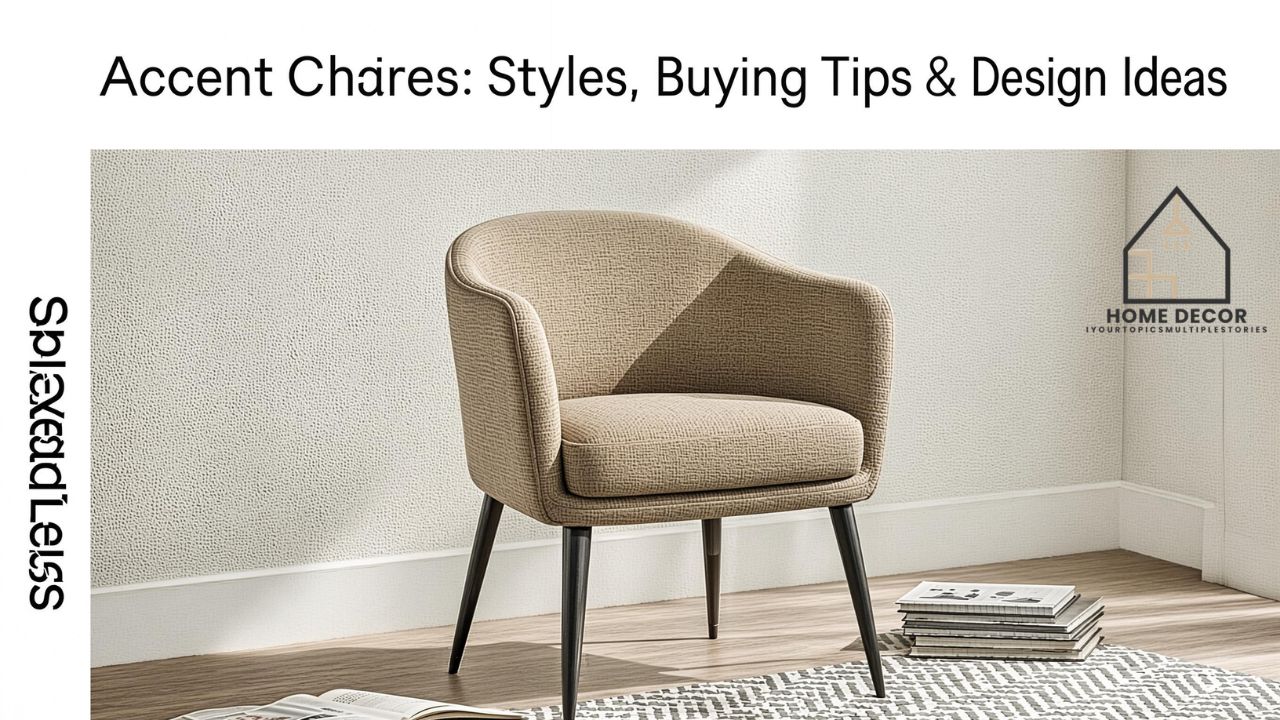
Introduction
You know that one piece of furniture that instantly makes a room feel finished? For many designers, it’s accent chairs. Whether tucked into a cozy reading nook or standing proudly beside a sofa, accent chairs have the power to transform a space from plain to polished in seconds.
In reality, these chairs aren’t just decorative extras. They add comfort, personality, and often a bold visual statement. From velvet wingbacks to sleek Scandinavian silhouettes, accent chairs bring depth, contrast, and character to living rooms, bedrooms, and even home offices.
If you’ve ever stared at an empty corner wondering what’s missing, chances are the answer might be a thoughtfully chosen accent chair. Let’s explore how to choose the right one—and why it matters more than you think.

What Are Accent Chairs?
Accent chairs are standalone seating pieces designed to complement existing furniture while adding visual interest. Unlike standard dining or office chairs, they’re chosen as much for their style as for their comfort.
In simple terms, they “accent” the room—introducing new textures, shapes, colors, or patterns that elevate the overall design.
Key Characteristics
- Distinctive design or color
- Often upholstered
- Used in living rooms, bedrooms, entryways
- Not typically part of a matching sofa set
While sofas anchor a room, accent chairs create contrast and personality.
Why Accent Chairs Matter in Interior Design
Interior designers often describe a room without layered seating as “unfinished.” That’s because accent chairs help:
- Balance visual weight
- Define conversation areas
- Add symmetry
- Introduce bold color or texture
- Increase functionality
For example, imagine a neutral beige sofa in a living room. Add two emerald velvet chairs opposite it, and suddenly the room feels curated rather than generic.
According to industry reports from furniture retailers, occasional chairs and statement seating have seen consistent growth over the past decade as homeowners invest in personalized interiors rather than cookie-cutter sets.

Emotional Impact
Furniture isn’t just functional—it affects mood. A plush, curved chair feels inviting and soft. A structured leather armchair conveys sophistication. The emotional tone of a room often depends on these subtle choices.
Popular Types of Accent Chairs
Different styles serve different purposes. Understanding the variety makes selection easier.
Wingback Chairs
Traditional and elegant, wingback chairs feature tall backs and “wings” that extend from the headrest.
Ideal for:
- Formal living rooms
- Libraries
- Classic interiors
Club Chairs
Deep, cushioned, and low-backed, club chairs offer exceptional comfort.
Best for:
- Lounging
- TV rooms
- Cozy corners
Mid-Century Modern Chairs
Characterized by tapered wooden legs and clean lines, these chairs are timeless.
They pair beautifully with minimalist and contemporary decor.
Barrel Chairs
Rounded backs and compact shapes define barrel chairs. They’re perfect for small spaces.
Slipper Chairs
Armless and low-profile, slipper chairs slide easily into tight areas.
Reclining Accent Chairs
Modern versions blend style and hidden reclining mechanisms, offering comfort without sacrificing aesthetics.
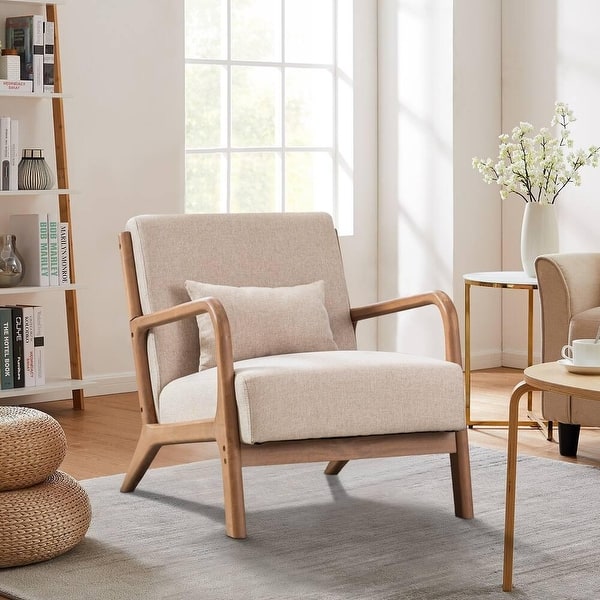
How to Choose the Perfect Accent Chairs
Choosing accent chairs isn’t just about picking something pretty. It requires thoughtful consideration.
1. Consider Scale and Proportion
Measure your space carefully. A chair that looks perfect in a showroom can overwhelm a small apartment.
- Seat height should align with your sofa.
- Leave at least 18 inches between seating pieces for comfort.
2. Decide on Function
Ask yourself:
- Is it for reading?
- Is it extra seating for guests?
- Is it purely decorative?
A reading chair needs arm support and lumbar comfort. A decorative chair may prioritize style.
3. Choose a Complementary Color
You have three options:
- Match your existing furniture
- Contrast boldly
- Use pattern to bridge colors
For example, a patterned chair combining blue and beige can tie together a navy rug and neutral sofa.
4. Test Comfort
Never compromise comfort for looks. Sit, lean back, and assess cushioning.
Remember: even the most stunning chair will be ignored if it’s uncomfortable.
Materials, Fabrics, and Finishes
Fabric selection dramatically influences durability and aesthetic.
Upholstery Options
- Velvet: Luxurious and soft, ideal for glam spaces
- Linen: Breathable and casual
- Leather: Durable and timeless
- Bouclé: Textured and trendy
- Microfiber: Budget-friendly and stain-resistant

Frame Materials
- Solid hardwood: Durable and long-lasting
- Metal: Sleek and industrial
- Engineered wood: Budget-conscious option
Cushion Filling
- High-density foam (firm support)
- Down-blend (soft and plush)
- Spring-core (structured comfort)
Placement Ideas for Accent Chairs
Where you place accent chairs determines how effective they are.
Living Room
- Opposite sofa for conversation
- Angled near fireplace
- Beside a window with a side table
Bedroom
- At the foot of the bed
- In a corner reading nook
- Next to a vanity
Entryway
- Single chair with statement lighting
- Paired with a console table
Home Office
- As a guest chair
- Reading break corner
Placement tip: anchor the chair with a rug and side table to avoid a “floating” look.
Accent Chairs for Small Spaces
Small apartments demand strategic choices.
Look for:
- Slim arms
- Exposed legs (creates visual lightness)
- Light-colored upholstery
- Multifunctional designs
Barrel or slipper styles work beautifully in tight quarters.
You can also choose chairs with hidden storage beneath the seat—perfect for blankets or books.

Budget vs Luxury: What to Expect
Price points vary widely.
| Price Range | What You Get |
|---|---|
| $100–$300 | Basic frame, synthetic fabric |
| $300–$800 | Solid wood frames, premium upholstery |
| $800+ | Designer brands, handcrafted details |
Luxury versions often feature kiln-dried hardwood frames and hand-tufted detailing.
However, affordability doesn’t mean poor quality. Many mid-range options offer durability and style.
Caring for Your Accent Chairs
Proper care extends lifespan.
Maintenance Tips
- Vacuum weekly to remove dust
- Rotate cushions regularly
- Spot-clean spills immediately
- Keep out of direct sunlight
For leather:
- Condition every 6–12 months
For velvet:
- Use a soft brush to maintain texture

Common Mistakes to Avoid
- Buying without measuring
- Choosing style over comfort
- Ignoring color harmony
- Overcrowding the room
- Forgetting functionality
That said, experimenting can lead to beautiful surprises. Sometimes a bold patterned chair becomes the room’s defining feature.
FAQs
Frequently Asked Questions About Accent Chairs
What is the purpose of accent chairs?
Accent chairs provide additional seating while enhancing a room’s visual appeal and style.
How many accent chairs should I have in a living room?
Typically one or two, depending on room size and layout.
Should accent chairs match the sofa?
Not necessarily. They can complement or contrast, depending on your design goal.
Are accent chairs comfortable enough for daily use?
Yes, especially when designed with supportive cushioning and ergonomic frames.
What size accent chair is best for small rooms?
Compact styles like slipper or barrel chairs work best.
Can accent chairs be used in bedrooms?
Absolutely. They add elegance and function to corners or vanity areas.
What fabric is most durable?
Leather and high-performance fabrics offer the greatest durability.
How long do accent chairs last?
With proper care, quality chairs can last 7–15 years or more.
Conclusion
When thoughtfully selected, accent chairs are far more than decorative afterthoughts. They shape the mood of a room, invite conversation, and express personal style in subtle yet powerful ways.
Whether you lean toward modern minimalism, classic elegance, or bold contemporary flair, there’s a chair waiting to elevate your space. Start with scale, consider comfort, experiment with texture—and most importantly, choose something that feels like you.
Because in the end, the best interiors aren’t just stylish. They’re lived in, loved, and layered with intention.