Introduction
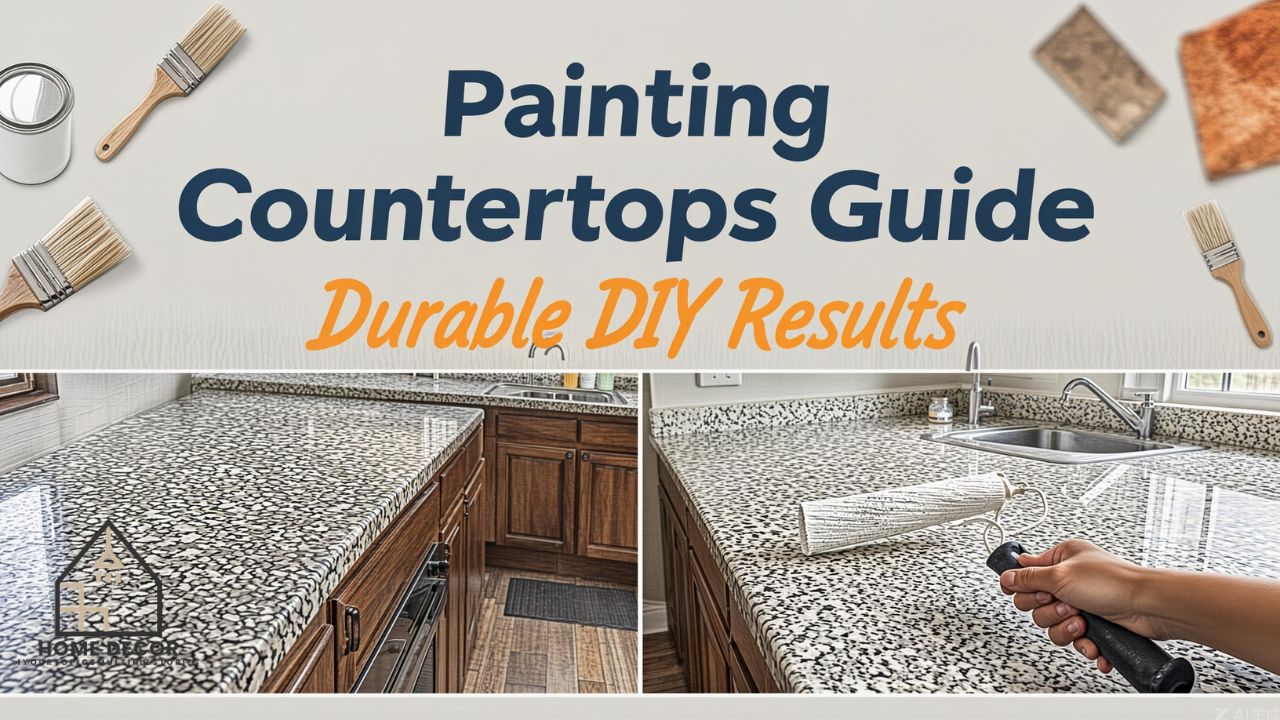
You know that moment when you walk into your kitchen and something just feels… tired? Maybe it’s the worn laminate, the faded speckles from the early 2000s, or the scratches that catch the light in all the wrong ways. For many homeowners, painting countertops becomes the “what if” solution that transforms frustration into possibility.
The idea sounds almost too good to be true. Can you really paint over old countertops and make them look like granite, marble, or modern concrete? Surprisingly, yes—when done correctly, painting countertops can completely change the mood of a kitchen without the five-figure renovation bill.
In reality, countertops dominate the visual space in most kitchens. According to industry remodeling reports, replacing them can cost anywhere from $2,000 to $6,000 depending on material and square footage. That’s why painting countertops has surged in popularity—it’s affordable, customizable, and achievable over a weekend.
But here’s the catch: success depends on preparation, product selection, and patience. Let’s break down everything you need to know before you open that first can of paint.

Why Homeowners Choose Painting Countertops
The main reason is simple: cost. A full countertop replacement can derail a renovation budget quickly. Painting, on the other hand, typically costs between $150 and $350 for most kitchens.
However, money isn’t the only factor.
Emotional Impact of a Visual Upgrade
Countertops anchor the entire kitchen aesthetic. When they look outdated, everything else feels old—even if your cabinets are freshly painted. Painting countertops gives homeowners immediate visual satisfaction. It’s dramatic. It’s empowering. And it often inspires further small improvements.
Ideal for Rental or Temporary Updates
If you’re:
- Selling your home
- Refreshing a rental
- Renovating on a tight budget
- Testing a new style before committing
Painting is a low-risk upgrade.
That said, this approach is not identical to installing stone slabs. Expectations matter.
Can You Really Paint Any Countertop Surface?
Short answer: most surfaces can be refinished—but prep differs.
Laminate Countertops
Laminate is the most common surface for painting countertops. It accepts bonding primers well and creates reliable adhesion when properly sanded.
Tile Countertops
Tile can be painted, but grout lines remain visible unless filled. Epoxy kits are often recommended here.
Solid Surface (Corian)
Requires aggressive sanding and high-adhesion primers. It’s possible, but precision is critical.
Granite or Marble
Technically yes, but usually unnecessary. Painting over natural stone is typically only done if the stone is damaged or aesthetically outdated.
Butcher Block
You can paint wood, but many homeowners prefer staining instead to preserve natural texture.
Tools and Materials You’ll Need
Preparation separates professional-looking results from obvious DIY.
Essential Supplies
- Degreaser or TSP cleaner
- 120–220 grit sandpaper
- High-adhesion bonding primer
- Foam rollers (smooth finish)
- Angled brush for edges
- Painter’s tape
- Drop cloths
- Countertop paint kit or epoxy system
- Clear topcoat or resin sealer
Optional Enhancements
- Sea sponge (for granite effect)
- Feather or plastic wrap (marble veining)
- Paint sprayer (advanced users)
Step-by-Step Guide to Painting Countertops
Let’s break it down into a process that minimizes risk and maximizes durability.
1. Deep Cleaning
Grease is the enemy of adhesion. Use a degreaser thoroughly, especially around cooking zones.
2. Sanding for Grip
You are not removing material—you’re creating texture for bonding. Light but consistent sanding across the entire surface is essential.
3. Prime Correctly
Use a bonding primer specifically labeled for slick surfaces. Allow full curing time.
4. Apply Base Coat
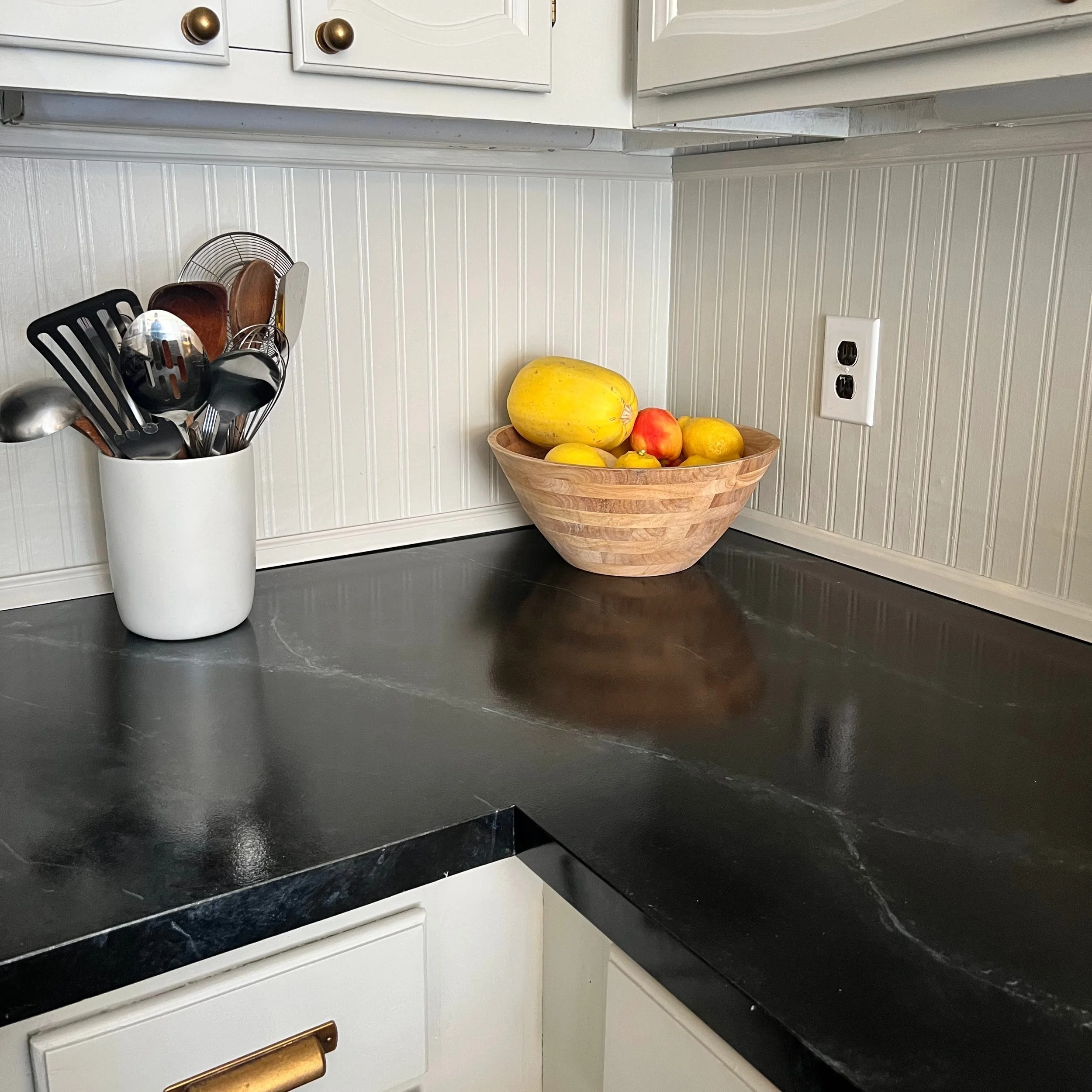
This sets the foundation. Many granite-look finishes begin with black, brown, or white base layers.
5. Add Decorative Texture
Here’s where creativity shines:
- Dab with sponge for stone texture
- Drag feather for marble veins
- Layer colors for depth
This stage determines realism.
6. Seal for Protection
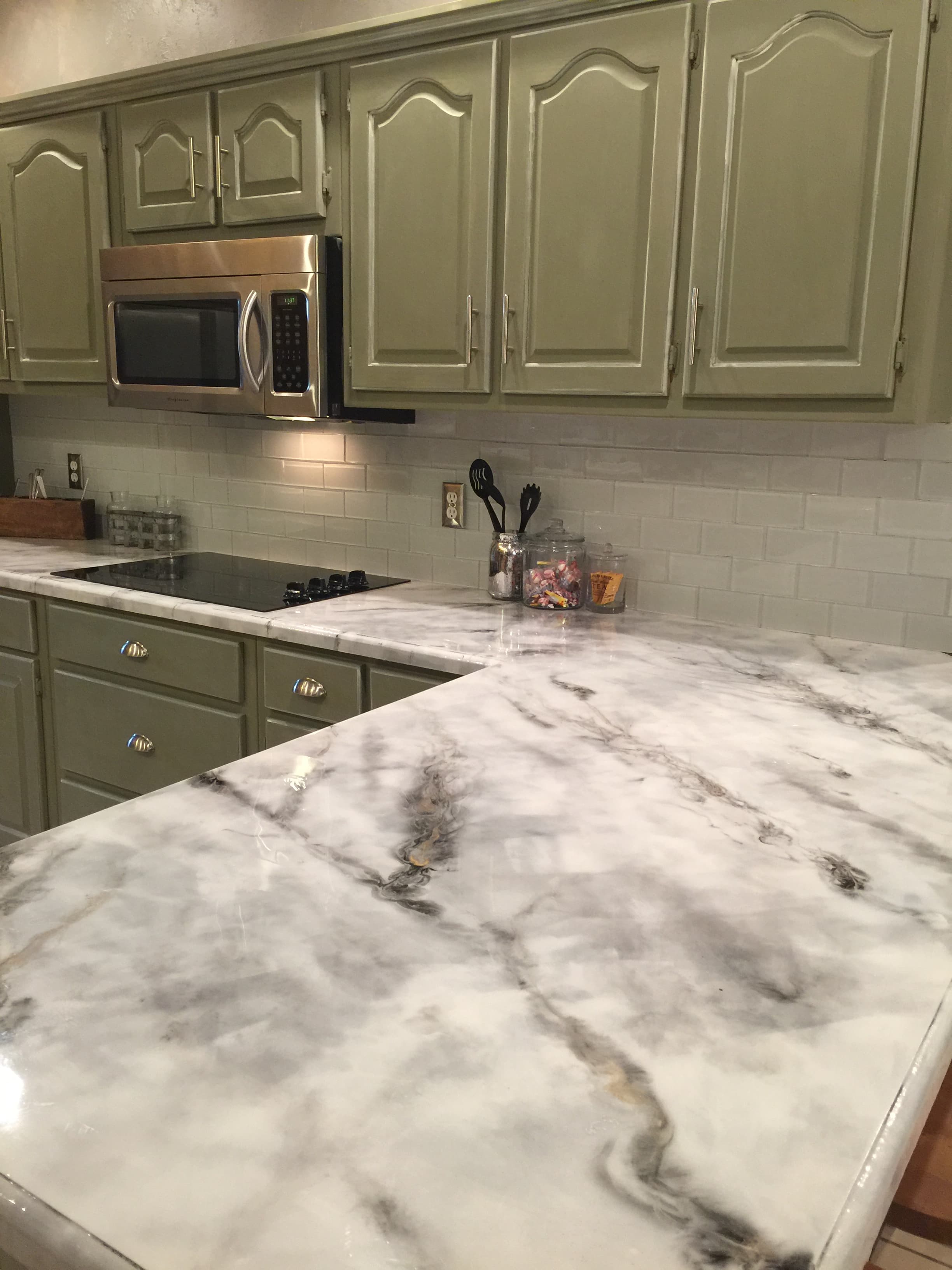
Most countertop kits include a durable topcoat. Epoxy systems create a glossy, glass-like surface that mimics polished stone.
Allow at least 48–72 hours before light use.
Best Paint Types for Painting Countertops
Choosing the wrong paint is the fastest way to failure.
Acrylic Countertop Paint Kits
Specifically designed for high-traffic surfaces. These are beginner-friendly and come with step-by-step systems.
Epoxy Resin Systems
More durable and heat-resistant. Provides a high-gloss finish. However, application requires careful mixing and ventilation.
Chalk Paint (Not Recommended Alone)
While trendy, chalk paint needs a heavy-duty sealer for kitchen durability.
Oil-Based Enamel
Durable but slower drying and higher VOC levels.
For long-term resilience, most professionals recommend epoxy-based systems when painting countertops in high-use kitchens.
Design Ideas and Finish Options
Painting isn’t just about color—it’s about transformation.
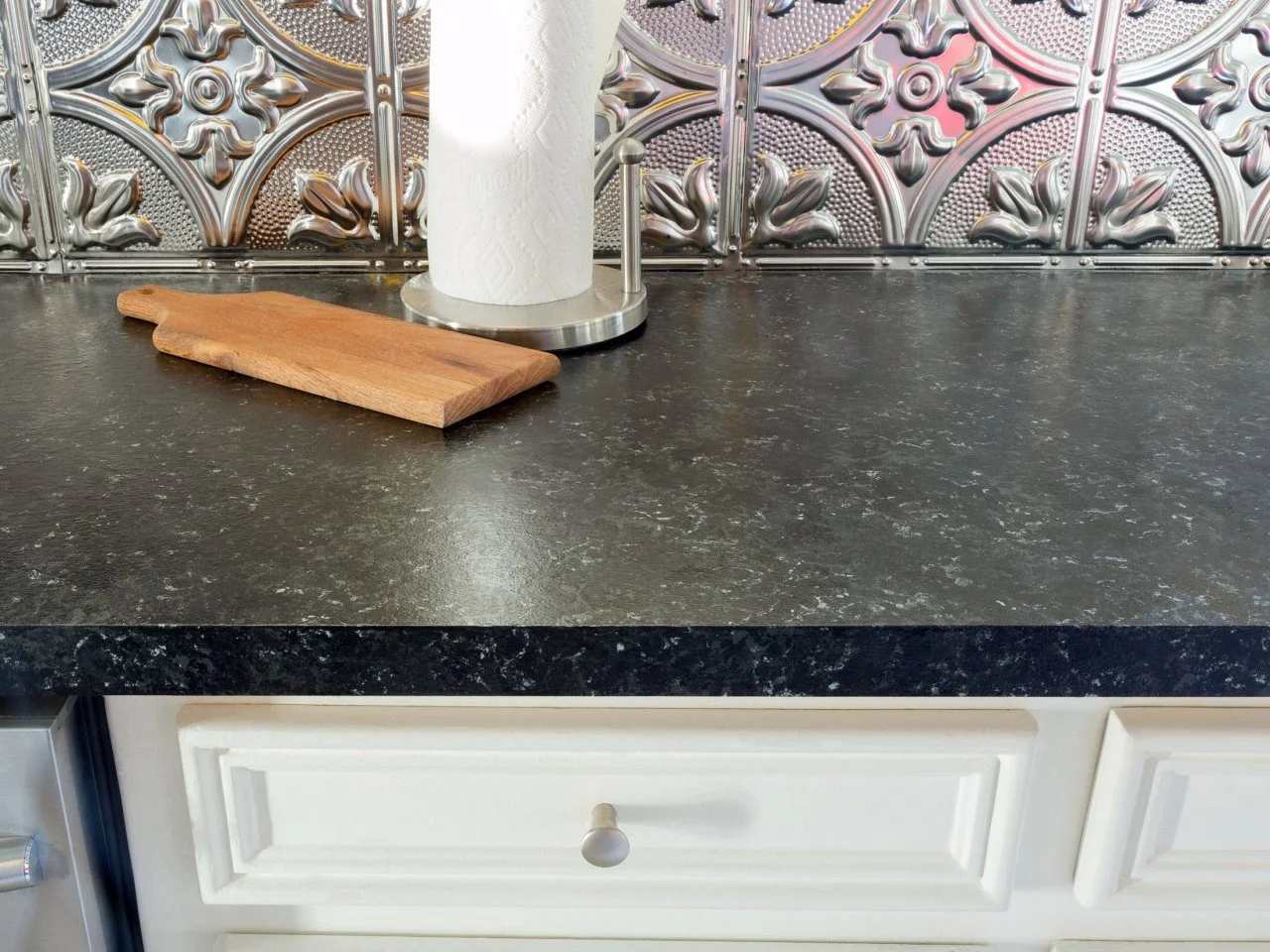
Granite Look
Achieved using:
- Multiple layered sponging
- Contrasting speckle tones
- Subtle metallic flecks
Marble Finish
Requires careful veining technique using fine brushes or feathers.
Concrete Style
Popular in modern homes. Achieved using gray tones with matte sealers.
Solid Modern White
Minimalist and bright—perfect for small kitchens.

Durability, Maintenance, and Longevity
Here’s the honest truth: painted countertops are durable—but not indestructible.
Expected Lifespan
With proper sealing and moderate use:
- 3–5 years typical lifespan
- Longer in low-traffic kitchens
Heat Resistance
Epoxy systems resist moderate heat, but always use trivets.
Scratch Resistance
Cutting directly on the surface is not recommended.
Cleaning Routine
- Mild soap only
- Avoid abrasive scrubbers
- No harsh chemicals
When maintained properly, painting countertops holds up surprisingly well.
Common Mistakes to Avoid
Even confident DIYers make these errors.
- Skipping sanding
- Using regular wall paint
- Rushing drying time
- Ignoring humidity conditions
- Applying thick epoxy layers
Patience during curing is what separates “DIY project” from “professional finish.”
Cost Breakdown and Budget Planning
Let’s compare numbers realistically.
| Option | Estimated Cost | Lifespan |
|---|---|---|
| Painting countertops | $150–$350 | 3–5 years |
| Laminate replacement | $800–$2,000 | 10–15 years |
| Quartz | $2,500–$6,000 | 20+ years |
| Granite | $3,000–$7,000 | 20+ years |
For homeowners prioritizing short-term aesthetics, painting countertops delivers unmatched ROI.
Is Painting Countertops Worth It?
The answer depends on expectations.
If you’re seeking:
- A temporary refresh
- A budget-friendly upgrade
- A creative weekend project
Then yes—it’s absolutely worth considering.
However, if you expect stone-level durability for decades, full replacement may be more appropriate.
That said, thousands of homeowners report satisfaction after completing their first painting countertops project. The transformation can feel almost magical.

FAQs
Frequently Asked Questions
Can painting countertops really last?
Yes, with proper prep and sealing, they typically last 3–5 years in active kitchens.
Do painted countertops chip easily?
If properly sealed, chipping is uncommon. Most damage results from impact or improper prep.
Is epoxy better than standard countertop paint?
Epoxy generally provides higher durability and gloss, making it ideal for heavy-use kitchens.
How long before I can use the countertop?
Light use after 48–72 hours. Full cure may take up to 7 days.
Can I paint over tile grout lines?
Yes, but grout texture remains unless filled beforehand.
Does painting countertops increase home value?
It improves visual appeal but may not significantly raise appraisal value like stone replacement would.
What color hides imperfections best?
Mid-tone granite-inspired blends disguise wear better than solid white or black.
Can renters do this?
Only with landlord approval. It’s considered a permanent alteration.
Conclusion
At its core, painting countertops isn’t just about saving money—it’s about reclaiming control over your space. It’s the satisfaction of seeing transformation unfold under your own hands. It’s the quiet thrill of standing back and thinking, “I did that.”
Is it a forever solution? No. But it doesn’t have to be.
Sometimes, the best home improvements aren’t the most expensive—they’re the ones that make you fall back in love with your kitchen again.