Introduction
The way your workspace feels has a bigger impact on your day than most people realize. A cluttered, uninspiring setup can quietly drain motivation, while a thoughtfully designed space can make work feel lighter and more focused. That’s exactly why home office decor has become such a priority for people working from home.
Whether you’re clocking in full-time, freelancing late nights, or juggling meetings between family responsibilities, your environment matters. In reality, your home office isn’t just another room—it’s where ideas form, decisions are made, and progress happens.
However, decorating a home office isn’t about copying Pinterest aesthetics or buying expensive furniture. It’s about creating a space that supports how you think, work, and feel. That balance between comfort, productivity, and personal style is what truly makes a workspace successful.
This guide breaks down everything you need to know—from layout planning to color psychology, lighting, storage, and real-world examples—so you can design a workspace that genuinely works for you.
The Psychology Behind Home Office Decor
Why Your Environment Affects How You Work
Your brain constantly responds to visual cues, even when you’re not consciously aware of them. Research in environmental psychology shows that well-organized, visually pleasing spaces can improve focus and reduce mental fatigue. On the other hand, cluttered environments increase cortisol levels, subtly raising stress throughout the day.
That’s why home office decor isn’t just about appearance—it directly influences productivity, creativity, and emotional well-being.
Emotional Triggers in Workspace Design
Certain elements trigger emotional responses:
- Natural light improves mood and alertness
- Plants reduce anxiety and increase satisfaction
- Warm textures create comfort
- Visual clutter causes distraction
When these elements are intentionally balanced, your workspace becomes supportive instead of draining.
Planning Your Home Office Layout
Start With How You Actually Work
Before choosing decor, step back and observe your work habits. Do you:
- Use multiple screens?
- Write by hand?
- Attend frequent video calls?
- Need silence or background stimulation?
Your layout should support these habits, not fight them.
Functional Zones Matter More Than Size
Even small spaces benefit from zoning:
- Primary work zone (desk and chair)
- Reference or reading area
- Storage zone
- Visual rest zone (plants, art, windows)
This approach prevents visual overload while keeping everything accessible.

Home Office Decor Ideas for Productivity
Desk Styling That Supports Focus
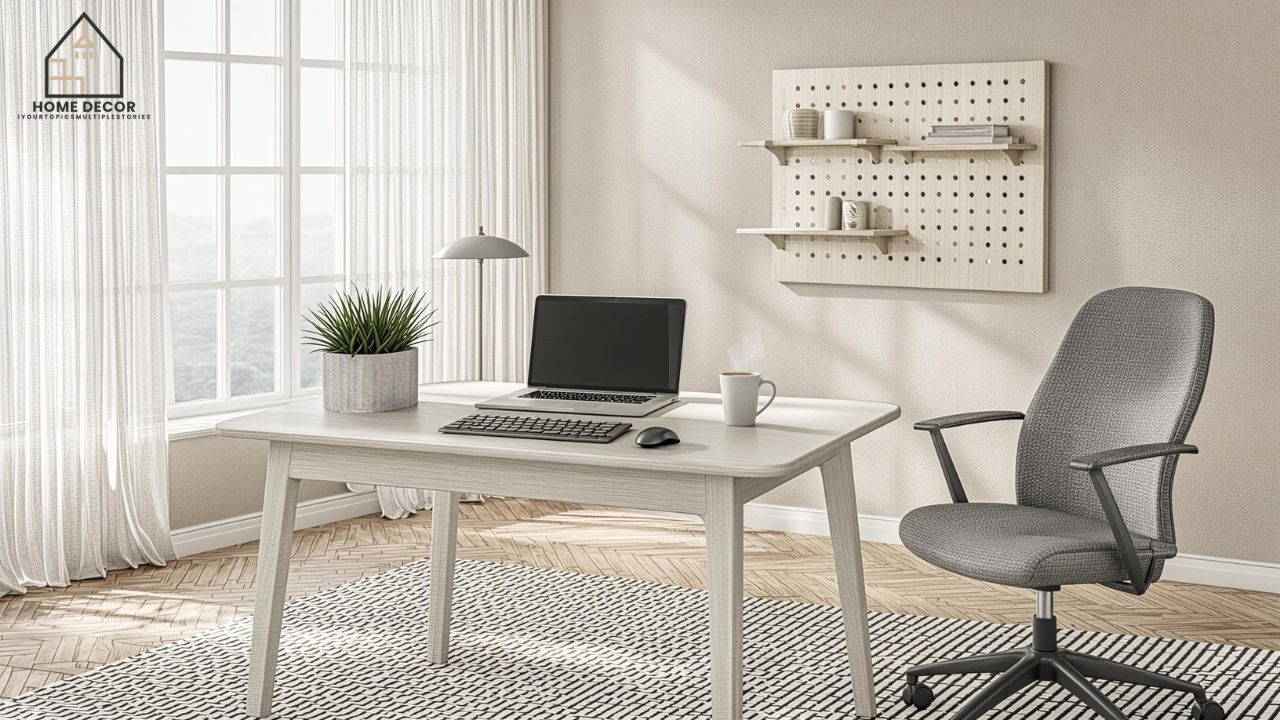
A desk should feel intentional, not crowded. The most effective home office decor setups follow a simple rule: everything visible should serve a purpose.
Consider:
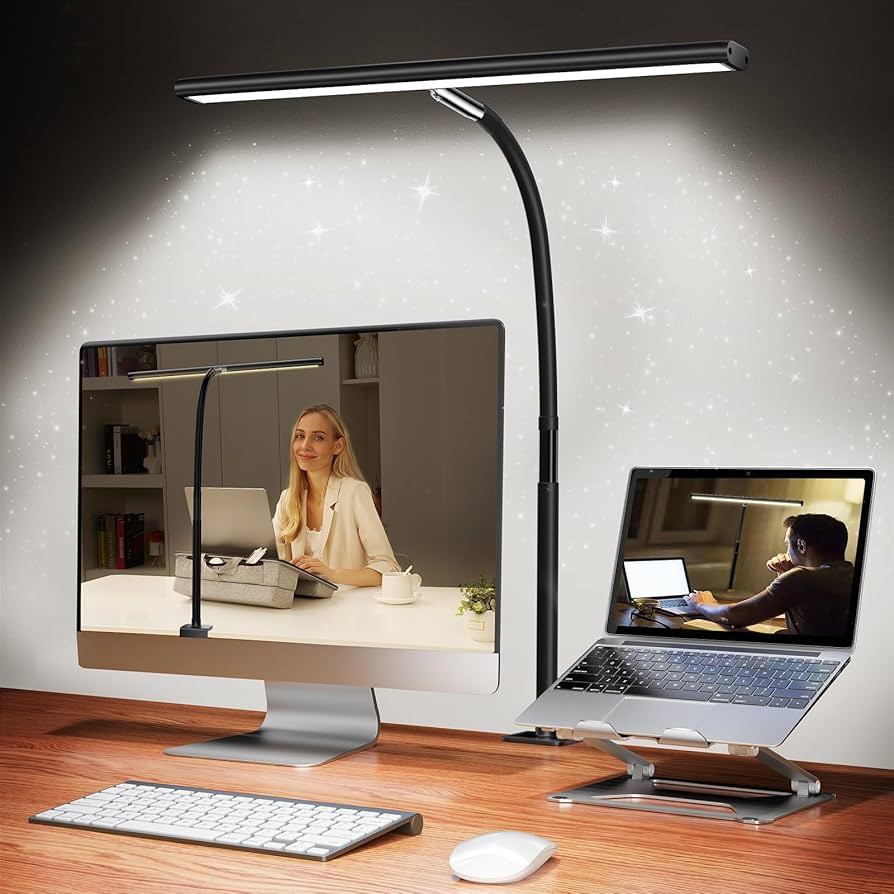
- A single desk lamp instead of overhead glare
- Minimal accessories (pen holder, notebook, coaster)
- One personal object for emotional grounding
Visual Hierarchy on Walls
Walls can motivate or overwhelm. Use hierarchy:
- One focal piece (art or framed quote)
- Secondary elements (shelves or boards)
- Open space for visual breathing room

Choosing the Right Colors for Home Office Decor
Color Psychology Explained Simply
Colors influence mental states more than we expect:
- Blue supports focus and calm
- Green reduces eye strain
- Beige and neutrals create balance
- Muted yellows add optimism
- Dark tones create depth but need balance
How to Use Color Without Overdoing It
Instead of painting everything, apply color through:
- Accent walls
- Chairs or cushions
- Desk accessories
- Artwork
Using home office decor colors strategically keeps the space energizing without becoming distracting.

Furniture That Balances Comfort and Style
The Chair Is Non-Negotiable
A beautiful office means nothing if your body hurts. An ergonomic chair supports posture, circulation, and concentration. Style can come later—but thankfully, many modern designs offer both.
Desk Design That Works Long-Term
Ideal desk features:
- Enough surface space for movement
- Cable management
- Proper height alignment
- Solid material (less vibration, more stability)
Furniture is the backbone of functional decor—it quietly determines how long you can work comfortably.
Lighting Strategies That Reduce Fatigue
Natural Light Is Gold
Position your desk perpendicular to windows when possible. This reduces glare while maximizing brightness. Even limited daylight improves energy and sleep cycles.
Layered Lighting for Balance
Use:
- Ambient lighting (ceiling or wall)
- Task lighting (desk lamp)
- Accent lighting (soft LED or floor lamp)
Poor lighting is one of the most common productivity killers in home offices.

Storage, Organization, and Visual Clarity
Why Hidden Storage Matters
Open shelves look great—but only when styled carefully. Too many exposed items create visual noise. Mixing closed storage with open shelving keeps balance.
Smart Storage Ideas
- Drawer organizers
- Vertical filing systems
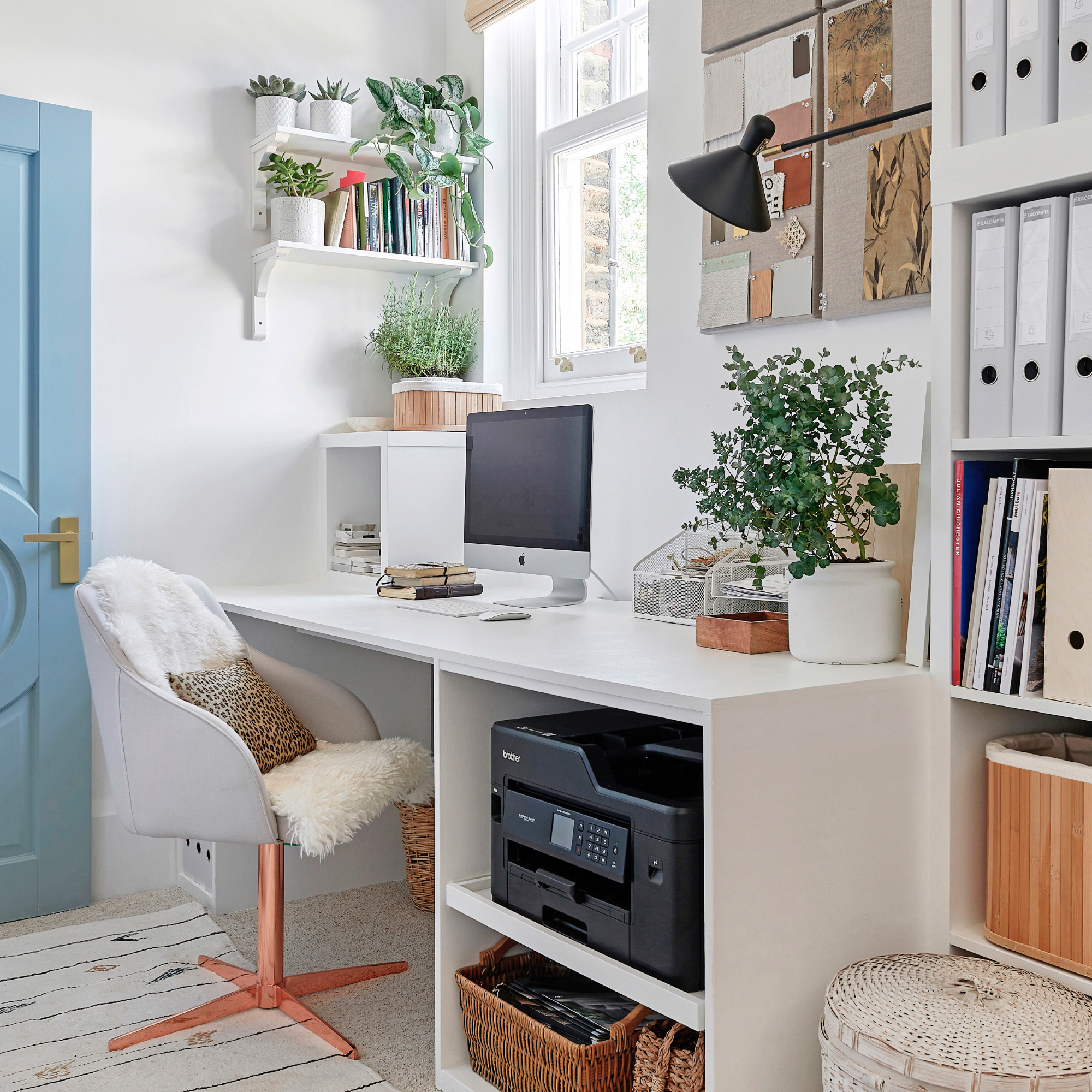
- Floating shelves
- Cable boxes
- Under-desk storage units
Clear surfaces lead to clear thinking.
Personal Touches That Make a Space Yours
Decor That Reflects Identity
Personalization doesn’t mean distraction. It means belonging. Photos, meaningful objects, or cultural elements can anchor emotions during stressful days.
Plants Are Not Optional
Studies show indoor plants increase productivity by up to 15%. They also soften hard edges and improve air quality.
Use:
- Snake plants
- Pothos
- ZZ plants
- Small desk succulents
Home Office Decor for Small Spaces
When Space Is Limited
Small rooms demand smarter choices:
- Wall-mounted desks
- Foldable furniture
- Mirrors for depth
- Vertical storage
Visual Tricks That Open a Room
- Light colors
- Consistent textures
- Minimal contrast
- Open leg furniture
Even tiny rooms can feel expansive with the right home office decor approach.
Sustainable and Budget-Friendly Decor Choices
Style Without Overspending
You don’t need luxury brands. Budget-friendly options include:
- Second-hand furniture
- DIY shelves
- Repurposed storage
- Neutral basics upgraded with accents
Sustainable Materials Matter
Choose:
- Solid wood
- Bamboo
- Metal frames
- Recycled fabrics
Sustainability isn’t just ethical—it’s often more durable.
Common Home Office Decor Mistakes to Avoid
Over-Decorating
Too many accessories create distraction. Decor should support work, not compete for attention.
Ignoring Ergonomics
Style without comfort leads to burnout and physical strain.
Poor Cable Management
Visible wires disrupt visual flow and increase stress.
Trend Chasing
What looks good online may not work for your routine. Design for yourself first.

Frequently Asked Questions
FAQs
What is the most important element of home office decor?
Functionality comes first. A comfortable chair, proper lighting, and an uncluttered desk matter more than decorative accents.
How can I decorate a home office on a low budget?
Focus on layout, lighting, and decluttering. Add personality through affordable items like plants, prints, or DIY decor.
Does home office decor really affect productivity?
Yes. Studies link organized, well-lit environments to improved focus, mood, and efficiency.
What colors work best in a home office?
Soft blues, greens, neutrals, and warm earth tones promote calm and concentration.
How do I make a small home office look bigger?
Use light colors, vertical storage, mirrors, and minimal furniture with open legs.
Should a home office be minimalist?
Minimalist design works well, but the best approach balances simplicity with personal comfort.
How often should I update my home office decor?
Small updates every 6–12 months help refresh motivation without major changes.
Conclusion
A well-designed workspace quietly shapes how your day unfolds. When home office decor aligns with your habits, values, and comfort, work stops feeling like a struggle and starts feeling intentional.
The goal isn’t perfection—it’s alignment. A space that supports focus, reduces stress, and reflects who you are will always outperform a picture-perfect setup that ignores real needs.
Take one change at a time. Adjust, observe, and refine. Over time, your home office won’t just look better—it will work better too.