
Introduction
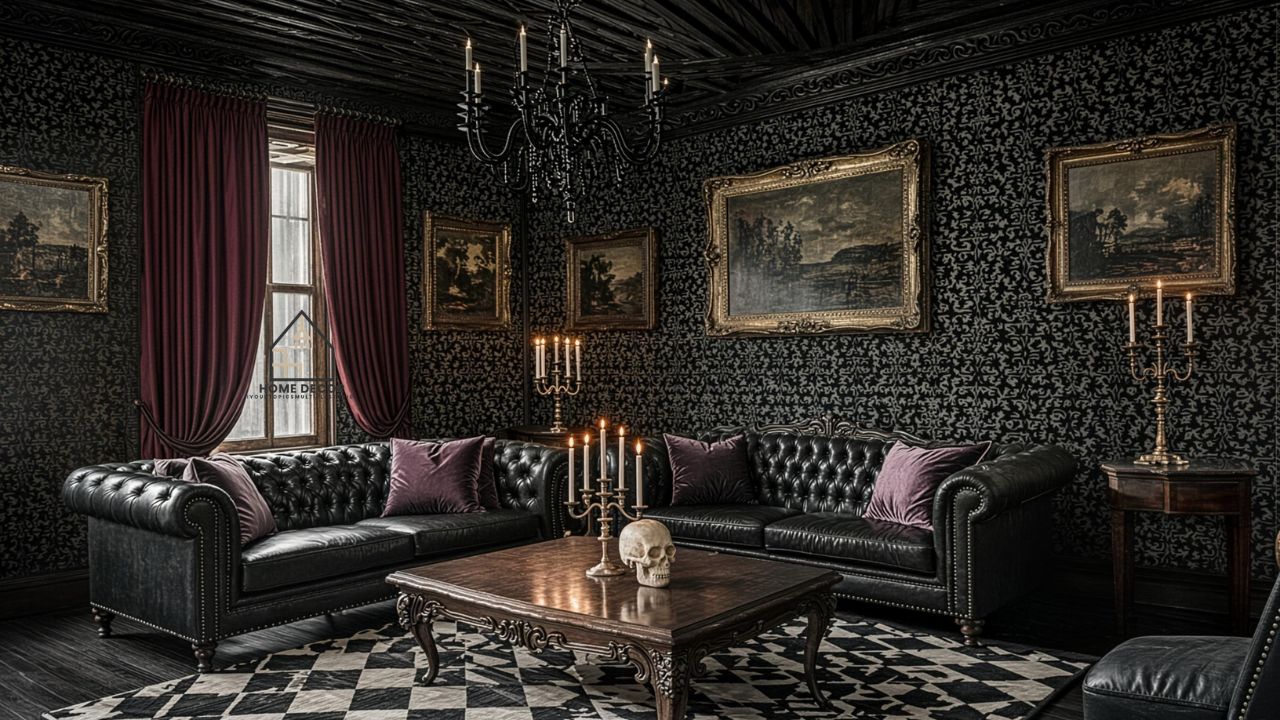
There’s something undeniably magnetic about dark, dramatic interiors. The kind of spaces that feel rich with history, emotion, and quiet confidence rather than loud trends. That’s exactly where gothic home decor finds its power. It’s not about living in darkness—it’s about embracing depth, texture, and storytelling within your home.
When people hear gothic home decor, they often imagine gloomy castles or horror-movie sets. In reality, modern gothic interiors are far more refined. They balance shadow and light, old-world romance and contemporary comfort, creating spaces that feel bold yet deeply personal.
This style matters because homes are emotional spaces. Gothic interiors speak to people who crave authenticity, artistry, and mood over minimal sameness. Whether you live in a small apartment or a large house, gothic design can be adapted beautifully without feeling overwhelming.
Understanding Gothic Home Decor
What Is Gothic Home Decor?
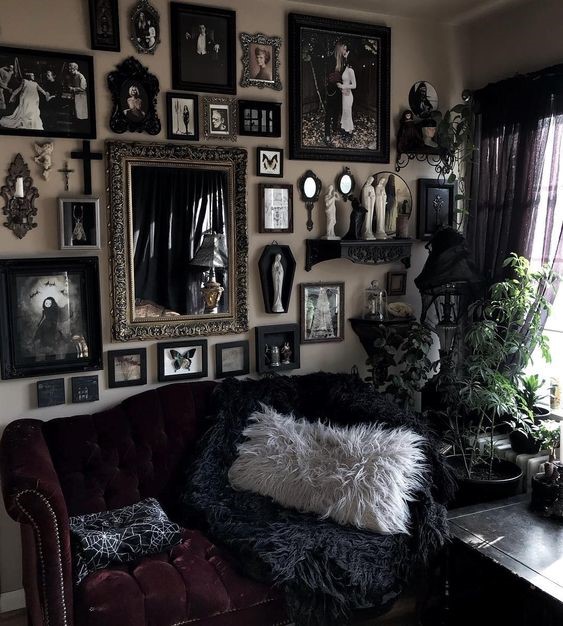
Gothic home decor is an interior design style inspired by medieval architecture, Victorian elegance, and romantic European influences. It emphasizes drama, depth, and ornate detailing rather than simplicity or neutrality.
At its core, gothic decor is about atmosphere. Rich colors, heavy textures, intricate patterns, and intentional contrast all work together to create spaces that feel mysterious yet inviting.
Why Gothic Style Still Resonates Today
In a world dominated by white walls and minimal furniture, gothic interiors offer emotional richness. They appeal to people who value individuality, nostalgia, and artistic expression. In reality, this style has evolved far beyond its medieval roots, blending seamlessly with modern layouts and lifestyles.
History and Evolution of Gothic Interior Design
Medieval Origins
Gothic design originated in Europe during the 12th century, primarily in architecture. Cathedrals featured pointed arches, ribbed vaults, stained glass windows, and dramatic vertical lines. These elements later influenced interior spaces within castles and aristocratic homes.
Victorian Gothic Revival
The 19th century saw a resurgence known as the Gothic Revival. Victorian homes adopted ornate furniture, dark wood, velvet fabrics, and elaborate patterns. This era shaped much of what we now associate with gothic home decor.
Modern Gothic Interpretations
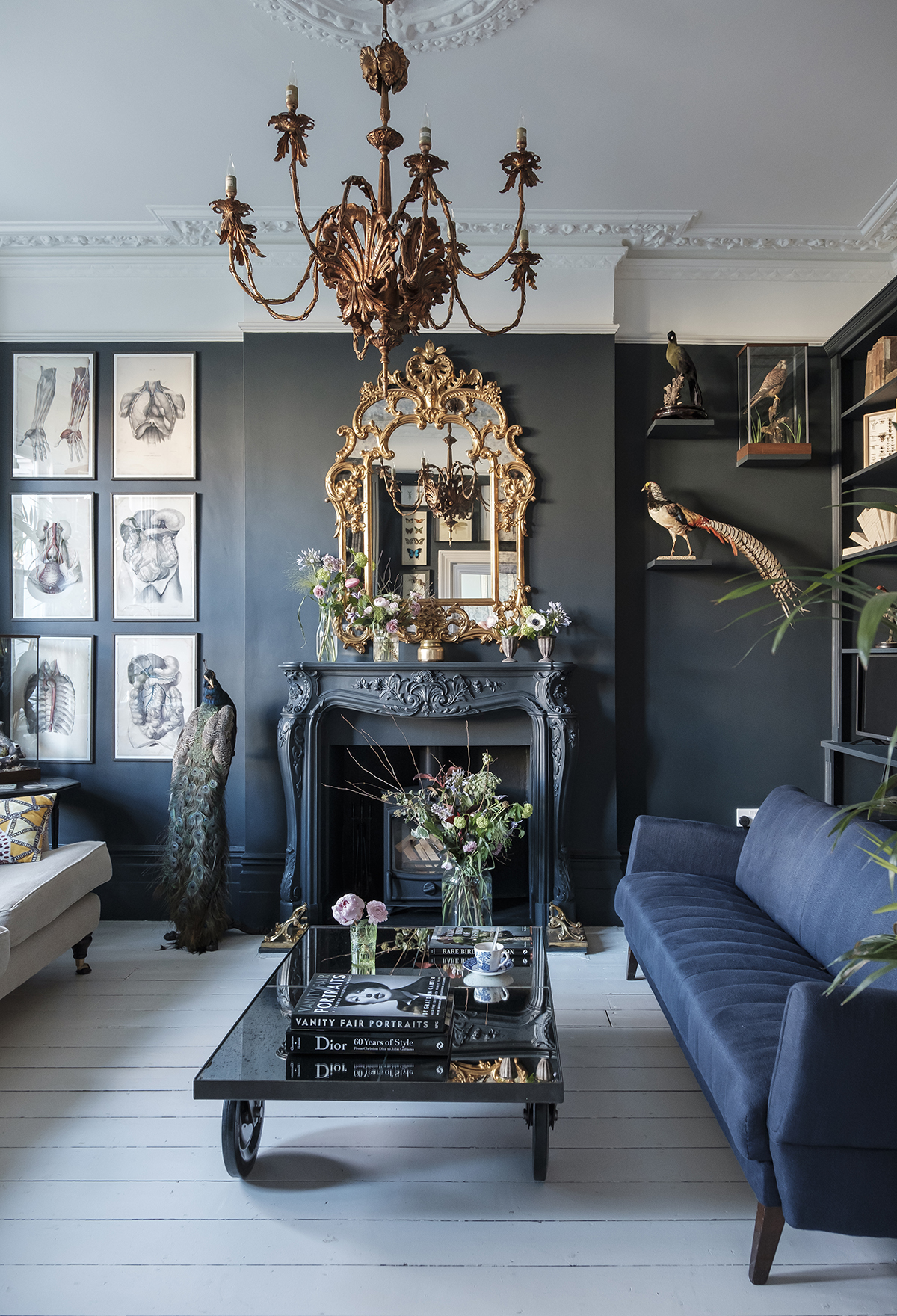
Today’s gothic interiors are lighter, more flexible, and highly personalized. While traditional elements remain, modern gothic design often incorporates:
- Cleaner layouts
- Minimalist furniture forms
- Strategic use of dark tones rather than full saturation
- Contemporary lighting and art

Core Elements of Gothic Home Decor
Dark but Sophisticated Color Palettes
Contrary to popular belief, gothic interiors aren’t just black. They rely on layered tones such as:
- Charcoal gray
- Deep plum
- Burgundy
- Forest green
- Midnight blue
These shades create mood without overwhelming the space.
Luxurious Textures and Materials
Texture is essential in gothic decor. Popular materials include:
- Velvet and brocade fabrics
- Dark-stained wood
- Wrought iron
- Marble and stone
- Aged leather
The combination of soft and hard textures adds depth and tactile richness.
Ornate Patterns and Details
Gothic spaces thrive on visual interest. Look for:
- Damask wallpaper
- Carved wood details
- Intricate moldings
- Arched shapes and motifs
- Decorative metal accents
Gothic Home Decor Room by Room
Gothic Living Room Design
The living room sets the tone for the entire home. Key features often include:
- A dark accent wall or dramatic wallpaper
- Velvet sofas in jewel tones
- Antique-style coffee tables
- Layered rugs with traditional patterns
- Statement artwork or mirrors
Balance is crucial. Pair bold elements with neutral textures to avoid heaviness.
Gothic Bedroom Atmosphere
Bedrooms are where gothic home decor truly shines. The style naturally aligns with intimacy and comfort.
- Upholstered headboards in velvet or leather
- Dark bedding with subtle patterns
- Candle-inspired lighting fixtures
- Heavy curtains for dramatic effect
However, soft lighting ensures the room remains restful rather than oppressive.
Gothic Dining Room Elegance
Dining rooms benefit from gothic grandeur:
- Solid wood dining tables
- High-backed chairs
- Chandeliers or iron light fixtures
- Dark table linens with metallic accents
These spaces feel formal yet warm, ideal for hosting.
Gothic Bathroom Accents
Even small spaces can adopt gothic charm:
- Matte black fixtures
- Dark tiles or stone finishes
- Vintage-style mirrors
- Brass or antique gold accents

Colors, Materials, and Textures in Gothic Interiors
Choosing the Right Color Balance
While dark tones dominate, contrast keeps rooms livable. Use lighter shades through:
- Trim and molding
- Metallic accents
- Artwork frames
- Upholstery details
This prevents visual fatigue and enhances elegance.
Materials That Define Gothic Style
A successful gothic interior blends materials thoughtfully:
- Wood adds warmth
- Metal introduces strength
- Fabric softens the space
- Stone grounds the design
Layering these materials creates richness rather than monotony.
Furniture and Decorative Accents
Gothic Furniture Characteristics
Furniture often features:
- Curved silhouettes
- Carved detailing
- Sturdy construction
- Dark finishes
That said, modern gothic decor may use simpler forms paired with dramatic finishes.
Decorative Accessories That Matter
Accessories bring personality into gothic spaces:
- Ornate mirrors
- Candlesticks
- Sculptural objects
- Vintage books
- Framed artwork with dark themes
Avoid clutter. Each piece should feel intentional.
Lighting Techniques for Gothic Spaces
Lighting is where many gothic interiors succeed or fail.
Layered Lighting Approach
Use multiple light sources:
- Ambient lighting for general brightness
- Accent lighting to highlight decor
- Task lighting for functionality
Warm vs Cool Lighting
Warm light softens dark colors and creates intimacy. Cool lighting can feel harsh in gothic interiors, so it’s best used sparingly.
Statement Fixtures
Chandeliers, lantern-style pendants, and wall sconces reinforce gothic character without overwhelming the room.
Modern vs Traditional Gothic Home Decor
Traditional Gothic Style
Traditional spaces lean heavily into:
- Heavy furniture
- Dark saturation
- Ornate patterns
- Antique aesthetics
They feel immersive and dramatic.
Modern Gothic Style
Modern interpretations focus on:
- Cleaner layouts
- Fewer decorative elements
- Strategic darkness
- Contemporary materials
This approach works well in apartments and smaller homes.
Common Mistakes to Avoid
Even lovers of gothic home decor can misstep. Common issues include:
- Overusing black without contrast
- Ignoring natural light
- Excessive ornamentation
- Mixing too many styles without cohesion
In reality, restraint often makes gothic interiors more powerful.
Frequently Asked Questions
FAQ Section
Is gothic home decor suitable for small spaces?
Yes, when used thoughtfully. Focus on accent walls, lighting, and select furniture rather than fully dark rooms.
Can gothic decor feel warm and inviting?
Absolutely. Warm lighting, soft fabrics, and balanced color palettes prevent the space from feeling cold.
Is gothic decor expensive?
Not necessarily. Thrifted furniture, DIY accents, and strategic purchases can achieve the look affordably.
How do I modernize gothic interiors?
Combine traditional gothic elements with modern furniture shapes and minimal layouts.
Can gothic decor work in bright homes?
Yes. Natural light actually enhances contrast and makes dark elements feel intentional.
What styles pair well with gothic decor?
Industrial, Victorian, dark academia, and even minimalist styles can blend well with gothic influences.
Does gothic decor follow trends?
It’s less trend-driven and more timeless, evolving slowly rather than changing every season.
Is gothic home decor only for bold personalities?
Not at all. Subtle gothic accents can suit anyone who appreciates mood and depth.
Conclusion
Gothic home decor isn’t about darkness for the sake of drama. It’s about intention, emotion, and storytelling within a space you call home. Whether you lean toward full gothic immersion or subtle accents, this style rewards creativity and confidence.
In a world of sameness, gothic interiors stand apart. They invite you to slow down, feel deeply, and surround yourself with beauty that doesn’t ask for permission. When done right, gothic design doesn’t overpower—it captivates.