
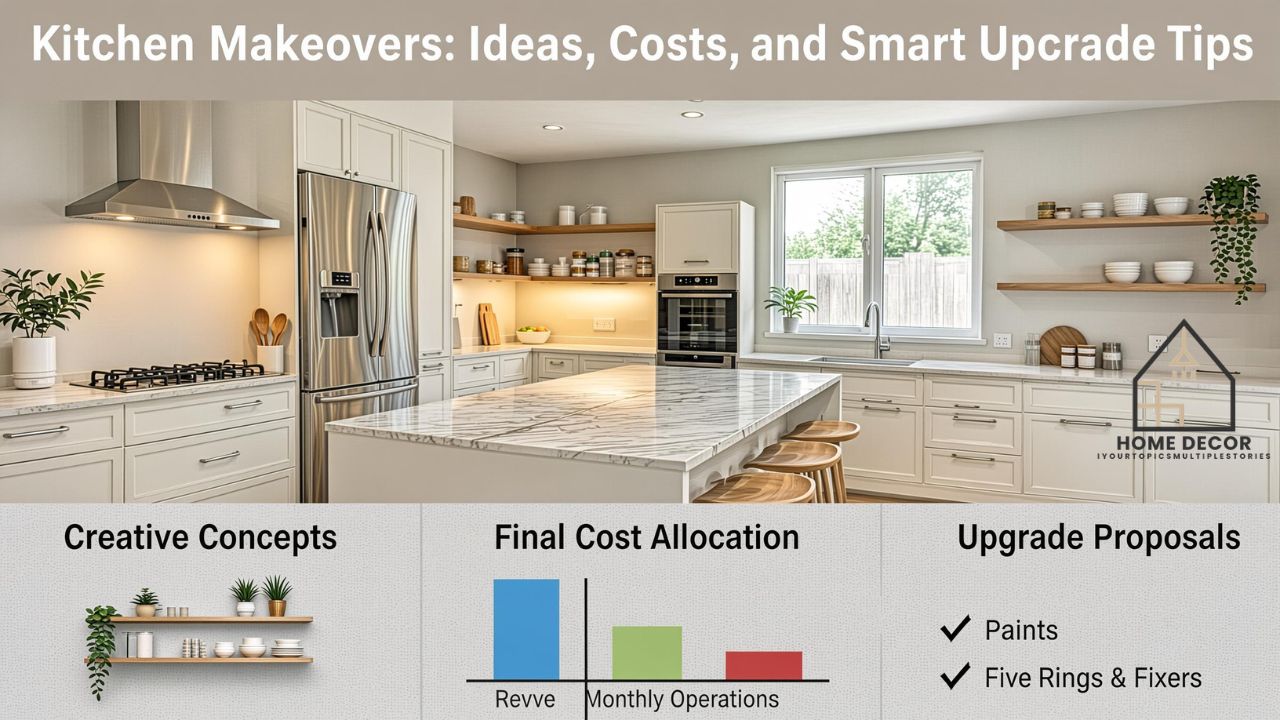
Kitchen fatigue is real. You walk in for coffee, dinner prep, or a late-night snack, and the room just feels tired. That is why kitchen makeovers are so appealing. They do not always start with a huge budget or a full demolition. Sometimes they begin with one honest thought: this space is not working for me anymore.
A kitchen matters more than most rooms because it carries so much daily life. It holds rushed breakfasts, family talks, grocery unloading, school lunch prep, and those quiet moments when the house is still. When the layout feels awkward, the storage is lacking, or the finishes feel dated, the whole routine gets harder than it should be.
The good news is that thoughtful changes can shift the room in a big way. A better light fixture, new cabinet fronts, smarter storage, durable counters, or a cleaner layout can make the kitchen feel brighter, calmer, and easier to use. The best results usually come from matching style with how people actually live.
What kitchen makeovers really involve
When people hear the phrase kitchen upgrade, they often picture a total remodel with weeks of dust and stress. In reality, kitchen makeovers can sit anywhere on a wide spectrum. At one end, you have cosmetic improvements like painting cabinets, changing hardware, swapping old lights, and adding a backsplash. At the other end, you have structural work like moving plumbing, tearing down walls, changing layouts, and installing new custom cabinetry.
A makeover is really about improving what matters most. That may be appearance, but function usually sits close behind. A kitchen can look beautiful in photos and still frustrate the people who use it every day. Poor storage, weak lighting, cramped prep space, and bad traffic flow are common complaints.
The most successful kitchen improvements solve both visual and practical problems. They make the room feel good and work better. That combination is what turns a pretty update into a genuinely useful one.
Why homeowners choose kitchen makeovers
Most kitchen projects start because something feels off for too long. Sometimes the issue is obvious. Cabinets may be chipped, laminate counters may be peeling, or the flooring may have seen better years. Other times, the room simply feels stuck in another era.
There are also lifestyle reasons. Families grow. Cooking habits change. Remote work means people spend more time at home. A couple that once ordered takeout may now cook every evening. A household with children may need snack zones, easier cleanup, and better storage for school bottles and lunch boxes.
Here are a few common reasons people decide to move forward:
- The kitchen looks dated
- Storage is no longer enough
- The layout feels cramped or awkward
- Resale value matters
- Appliances are old or inefficient
- The space feels too dark
- Cleaning has become harder because finishes are worn
In many housing markets, kitchens still carry strong emotional weight for buyers. Even when homeowners are not planning to sell right away, a refreshed kitchen can make the whole house feel more current and cared for.
Planning a makeover before spending money
Jumping into finishes too soon is one of the easiest ways to waste money. It is fun to choose cabinet colors and tile samples, but the smartest planning starts with daily habits.
Ask a few practical questions first. Do you need more prep space? Is your current storage failing you? Does the kitchen get enough natural light? Are people constantly bumping into each other near the fridge or sink? Is cleaning difficult because of material choices?
A simple planning framework can help:
- List what annoys you every day
- Separate wants from must-haves
- Set a firm budget range
- Measure the room carefully
- Decide what stays and what goes
- Collect reference images with a clear pattern
- Price labor and materials before final decisions
This stage also helps prevent trend-chasing. A finish that looks stunning online may not suit your home, your lighting, or your routine. Matte black hardware, open shelving, and waterfall islands can look striking, but they are not automatically right for every household.
Create a priority map
A priority map keeps spending focused. Divide your list into three groups:
- Function: layout, storage, lighting, workflow
- Finish: paint, cabinet color, backsplash, flooring
- Comfort: seating, charging areas, family-friendly features
When money gets tight, this map shows where to protect your investment. Good workflow and lighting usually matter more than flashy details.
Think in zones
Modern kitchens work best when divided into zones. There is the prep zone, cooking zone, cleaning zone, storage zone, and sometimes a serving or homework zone. Thinking this way helps you place drawers, outlets, lighting, and appliances more intelligently.
Popular kitchen makeover styles
Design style matters, but it should support the home rather than fight it. A sleek ultra-modern kitchen may feel cold in a traditional house, while a farmhouse-heavy design may look forced in a minimalist apartment.
Modern kitchens
Modern kitchens usually feature clean lines, flat-panel cabinets, minimal ornament, integrated storage, and a restrained palette. White, gray, black, wood tones, and warm neutrals show up often. These spaces feel calm and tidy, especially when clutter is kept out of sight.
Transitional kitchens
Transitional design blends classic and contemporary elements. Think shaker cabinets, simple hardware, warm lighting, and timeless surfaces. This style is popular because it feels current without being too stark.
Farmhouse-inspired kitchens
Farmhouse kitchens often include apron-front sinks, wood accents, open shelving, soft color palettes, and textured finishes. Done well, they feel warm and welcoming. Done poorly, they can slip into overly themed territory.
Scandinavian kitchens
Scandinavian-inspired spaces favor light wood, white finishes, practical storage, and soft natural light. These kitchens feel airy and understated, which makes them especially appealing in smaller homes.
Industrial kitchens
Industrial kitchens lean into metal, darker tones, exposed materials, concrete looks, and bold lighting. They work best when balanced with warmth, such as wood stools or softer wall colors.
Budget-friendly changes that make a real difference
Not every homeowner is ready for full-scale kitchen makeovers, and that is perfectly fine. Some of the strongest visual shifts come from relatively modest updates.
Paint cabinets instead of replacing them
Cabinet replacement is expensive. If your boxes are solid and the layout works, painting can save a large amount of money. White remains popular, but deep green, soft greige, warm taupe, and muted blue are also strong choices. A well-prepped cabinet paint job looks far better than a rushed one.
Replace hardware
New handles and knobs are small details with surprisingly large impact. Brushed brass warms up a space. Matte black creates contrast. Stainless or nickel can feel timeless and easy to match.
Add a backsplash
A backsplash introduces texture, color, and character. Subway tile is still widely used because it is simple and flexible, but zellige-style tile, vertical stack patterns, and larger-format options have grown in popularity. The right backsplash can make basic cabinets look more polished.
Upgrade lighting
Lighting is one of the most underestimated parts of a kitchen. Swapping an old flush-mount fixture for pendants or a more contemporary ceiling light can change the whole mood. Under-cabinet lighting also improves task visibility and adds warmth at night.
Change the faucet
An old faucet can date the sink area instantly. Replacing it with a high-arc or pull-down model improves both appearance and usability.
Use open shelving carefully
A few shelves can lighten the look of a heavy kitchen, especially in small spaces. Still, open storage only works well when the items displayed are neat and used often. Otherwise, it becomes visual clutter.
Mid-range upgrades with strong visual impact
For homeowners with more room in the budget, mid-range improvements often offer the sweet spot between cost and transformation.
Reface cabinets
Cabinet refacing keeps the cabinet boxes but replaces the visible fronts. This works well when the structure is sound but the look feels outdated. It usually costs less than full replacement while delivering a more finished result than paint alone.
Install new countertops
Countertops change the feel of a kitchen fast. Quartz remains popular because it is durable, low-maintenance, and available in many looks. Butcher block adds warmth, though it needs more care. Granite still appeals to homeowners who like natural stone movement.
Upgrade appliances strategically
You do not always need a full matching set. If one appliance is failing, replace the most visible or most used piece first. A better range or refrigerator can shift the room’s appearance immediately, especially when paired with cabinet and counter improvements.
Replace flooring
Flooring covers a lot of visual ground. Worn tile, stained vinyl, or mismatched surfaces make the kitchen feel older than it is. Waterproof luxury vinyl plank, porcelain tile, and engineered wood are common options depending on budget and household needs.
High-end kitchen makeover investments
At the top end, bigger investments focus on long-term use, premium materials, and layout transformation. These are the projects people usually imagine when they think of dramatic before-and-after reveals.
Custom cabinetry
Custom cabinets help maximize awkward spaces and allow for tailored storage. Pull-out spice racks, tray dividers, deep drawers, hidden charging stations, and appliance garages can make daily use far smoother.
Layout redesign
Opening a wall, relocating the sink, or moving the range can completely change how the room functions. These changes cost more because they often involve plumbing, electrical work, permits, and structural considerations.
Premium surfaces and details
Natural stone slabs, panel-ready appliances, designer lighting, built-in coffee stations, and oversized islands all fall into the premium category. These features can be beautiful, but they make the most sense when the basics are already solid.
Layout ideas that improve function
A pretty kitchen still fails if the movement feels awkward. Layout is where comfort lives.
The work triangle still matters
The traditional work triangle connects the sink, stove, and refrigerator. While modern kitchens now include more zones and more people using the space at once, the basic idea remains useful. You want movement between these points to feel easy, not cramped or too far apart.
One-wall kitchens
Common in small apartments, one-wall kitchens work best when storage goes vertical and clutter stays minimal. Good lighting and tall cabinets help them feel more complete.
Galley kitchens
Galley kitchens can be incredibly efficient. When both sides are planned well, everything stays within reach. Light finishes and reflective surfaces help prevent them from feeling narrow.
L-shaped kitchens
This layout is flexible and works in many homes. It often leaves room for dining or an island, and it keeps traffic moving fairly smoothly.
U-shaped kitchens
U-shaped kitchens offer generous storage and prep space. However, they can feel closed off if the room is small or dark.
Island kitchens
Islands add seating, storage, prep space, and visual focus. Still, they need enough clearance around them. A cramped island can make the room harder to use, not better.
Cabinets, counters, flooring, and backsplashes
These four surfaces shape most of the visual experience in the kitchen, so choosing them well matters.
Cabinets
Cabinets set the tone. Shaker styles remain a favorite because they bridge classic and modern design easily. Flat-front cabinets lean more contemporary. Wood grain finishes are also returning, especially in warmer tones that soften all-white kitchens.
Countertops
Quartz is often chosen for practicality. It resists staining better than many natural materials and does not require sealing. Marble looks beautiful but can etch and stain. Granite offers natural variation and solid durability.
Flooring
Kitchen floors need to handle spills, dropped utensils, foot traffic, and frequent cleaning. Porcelain tile is durable. Luxury vinyl is softer underfoot and often more budget-friendly. Wood can be beautiful but may require more care around moisture.
Backsplashes
A backsplash can either quietly support the room or become a focal point. If the counters have strong veining, a simpler backsplash often works better. If the rest of the room is calm, tile can add personality.
Lighting and color choices that change the mood
Bad lighting can make even expensive kitchens feel flat. Good lighting makes average materials look better than they are.
A strong lighting plan usually includes three layers:
- Ambient lighting for overall brightness
- Task lighting for prep and cooking
- Accent lighting for mood and detail
Under-cabinet lights are especially useful because upper cabinets often cast shadows on the counters. Pendant lights over an island add style, but they should also provide real function.
Color deserves the same care. White kitchens still appeal because they feel bright and clean, but warmer neutrals are gaining attention. Cream, mushroom, taupe, sage, and natural wood tones make kitchens feel softer and less clinical. Darker colors can look rich and dramatic, though they usually need good light to avoid feeling heavy.
Real-life homes also show that color reads differently based on sunlight, bulb temperature, wall paint, and even the sheen of a cabinet finish. Testing samples in the actual room is always smarter than choosing from a tiny swatch alone.
Storage solutions for busy kitchens
Storage problems make kitchens stressful fast. Even attractive kitchen makeovers lose their charm when counters are crowded with appliances, packets, and tools.
Smart storage features worth considering
- Deep drawers for pots and pans
- Pull-out pantry systems
- Vertical tray storage
- Drawer dividers for utensils
- Pull-out trash and recycling bins
- Corner cabinet organizers
- Toe-kick drawers for flat items
- Built-in spice storage
- Appliance garages for visual calm
A good rule is simple: store items close to where they are used. Plates near the dishwasher. Knives near the prep zone. Oils and spices near the stove. That small shift alone can make cooking feel smoother.
Common mistakes to avoid
Excitement can make people rush past practical issues. That is when budgets stretch, regrets appear, and the final room misses the mark.
Chasing trends too hard
Trends are not always bad, but building the entire room around one moment in design can date it quickly. It is usually safer to keep large investments more timeless and use trendier choices in paint, stools, lighting, or decor.
Ignoring workflow
A beautiful kitchen that lacks landing space near the fridge or range becomes frustrating every day. Function should not be an afterthought.
Underestimating lighting
Relying on one overhead fixture is rarely enough. Kitchens need layered lighting to feel comfortable and practical.
Not budgeting for surprises
Old homes in particular can hide issues behind walls and under floors. Extra electrical work, plumbing adjustments, or subfloor repairs can push costs higher than expected.
Choosing style over maintenance
Some finishes show every fingerprint, crumb, and water spot. Households with kids or heavy cooking routines may prefer more forgiving surfaces.
How to choose between DIY and hiring professionals
DIY can save money, but it is not always the cheaper option in the long run. A poor tile install, uneven cabinet paint job, or incorrect appliance hookup can cost more to correct later.
DIY works best for:
- Painting walls
- Swapping cabinet hardware
- Installing some shelves
- Simple decor updates
- Basic demolition if done safely
Professional help is usually wise for:
- Plumbing changes
- Electrical work
- Countertop templating and install
- Cabinet installation
- Flooring in large areas
- Structural changes
- Ventilation work
Many homeowners choose a hybrid route. They handle paint and hardware, then hire specialists for the technical parts. That balance can stretch a budget without sacrificing safety or finish quality.
Kitchen makeover costs and budget examples
Costs vary by region, labor rates, material choices, and the size of the kitchen. Still, rough planning ranges can help set expectations.
| Project Level | Typical Scope | Approximate Budget Range |
|---|---|---|
| Cosmetic refresh | Paint, hardware, lights, faucet, decor | $1,500–$6,000 |
| Mid-range update | Reface cabinets, counters, backsplash, some appliances | $7,000–$25,000 |
| Full remodel | New cabinets, layout changes, flooring, appliances | $25,000–$70,000+ |
A small city apartment kitchen may come in well below a large suburban family kitchen. Labor can also represent a major share of the total, especially when layout changes are involved.
Sample budget breakdown for a mid-range project
- Cabinet refacing or painting: 20–30%
- Countertops: 10–20%
- Labor: 20–35%
- Appliances: 10–20%
- Flooring: 8–15%
- Lighting and electrical: 5–10%
- Backsplash and finishing touches: 5–10%
This is why planning matters so much. Without a clear budget, it is easy to overspend on the visible surfaces and then cut corners on the things that affect daily use.
Kitchen makeovers for small spaces
Small kitchens can improve dramatically with the right choices. In fact, tighter rooms often benefit the most from focused upgrades because every inch matters.
Use lighter cabinet colors if the room lacks natural light. Choose drawers over lower cabinets when possible because they are easier to access. Extend cabinets to the ceiling to gain more storage and create a taller look. Reflective backsplashes, glass details, and consistent flooring can help the room feel more open.
Slim stools, compact islands, wall-mounted rails, and integrated appliances also help reduce visual crowding. One smart trick is to remove just enough clutter from view. A small room feels much larger when the counters are mostly clear.
[Image: Small kitchen makeover with vertical storage, light cabinets, and compact island seating]
FAQ
Frequently Asked Questions
How long do kitchen makeovers usually take?
A simple cosmetic refresh can take a weekend to a couple of weeks, depending on paint drying time and delivery schedules. A mid-range update may take several weeks. A full remodel with layout changes can stretch into months, especially if permits or custom materials are involved.
Are kitchen makeovers worth the money?
They often are, especially when the existing kitchen feels dated or hard to use. The payoff is not only financial. Many homeowners value the daily comfort, better organization, and improved cooking experience just as much as resale appeal.
What is the cheapest way to update an old kitchen?
Painting cabinets, changing hardware, upgrading lighting, adding a backsplash, and replacing the faucet usually offer strong visual improvement without the cost of a full remodel.
Should I paint or replace my cabinets?
If the cabinet boxes are sturdy and the layout works, painting can be a smart value move. If the doors are damaged, storage is poor, or the layout fails your needs, replacement or refacing may be the better choice.
What countertop is best for busy families?
Quartz is a popular option for busy households because it is durable, low-maintenance, and available in many styles. That said, the best surface depends on cooking habits, budget, and how much maintenance you are comfortable with.
How can I make a small kitchen look bigger?
Use light colors, add under-cabinet lighting, keep counters clear, continue cabinets upward, and choose storage that reduces clutter. Large visual interruptions often make small rooms feel even tighter.
Do I need permits for a kitchen makeover?
Cosmetic changes may not require permits, but electrical, plumbing, structural, or layout changes often do. Local rules vary, so it is smart to check before starting.
Is an island always a good idea?
No. Islands are useful when the room has enough clearance. In a tight kitchen, an island can block movement and make the room harder to use.
Conclusion
Great kitchens are not built on trends alone. They come from honest planning, sensible priorities, and choices that fit real life. The most successful kitchen makeovers are not always the most expensive ones. They are the ones that solve daily frustrations while making the room feel warm, useful, and inviting.
Whether you are repainting cabinets, changing the layout, or doing a full renovation, the goal is the same: create a kitchen that supports the way you live now. When storage makes sense, lighting feels right, and finishes suit your home, the room stops feeling like a chore and starts feeling like a place you want to be.